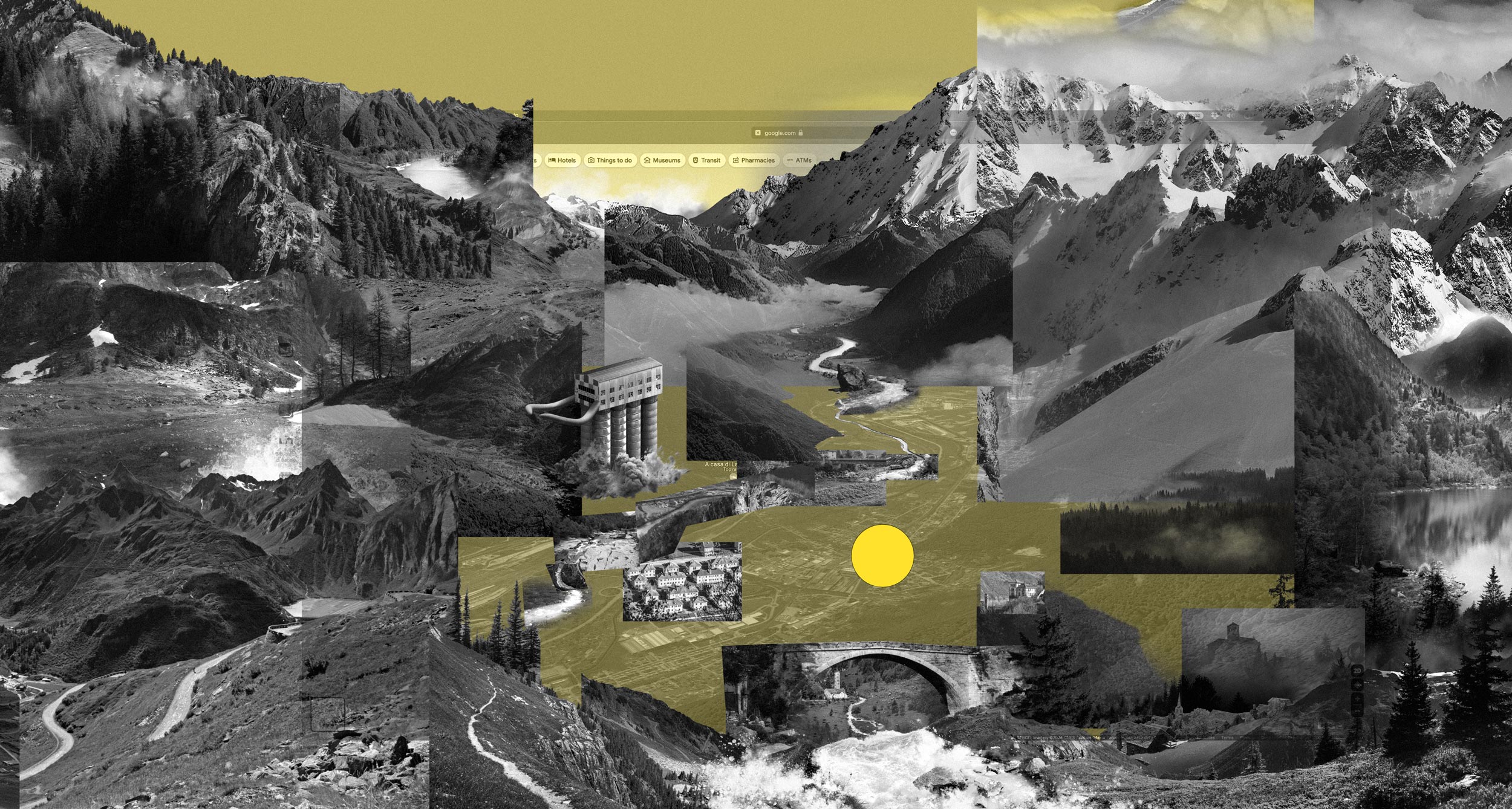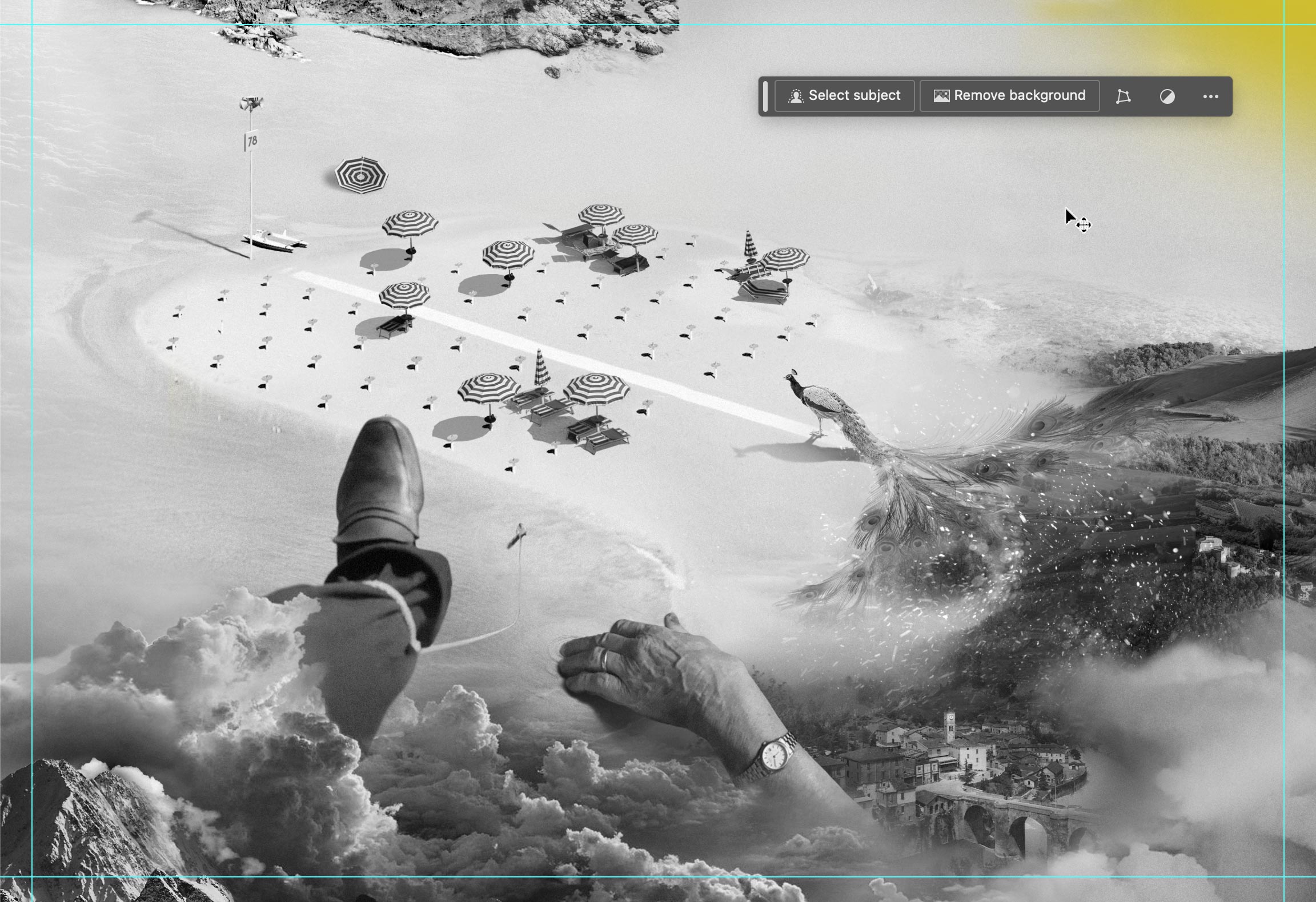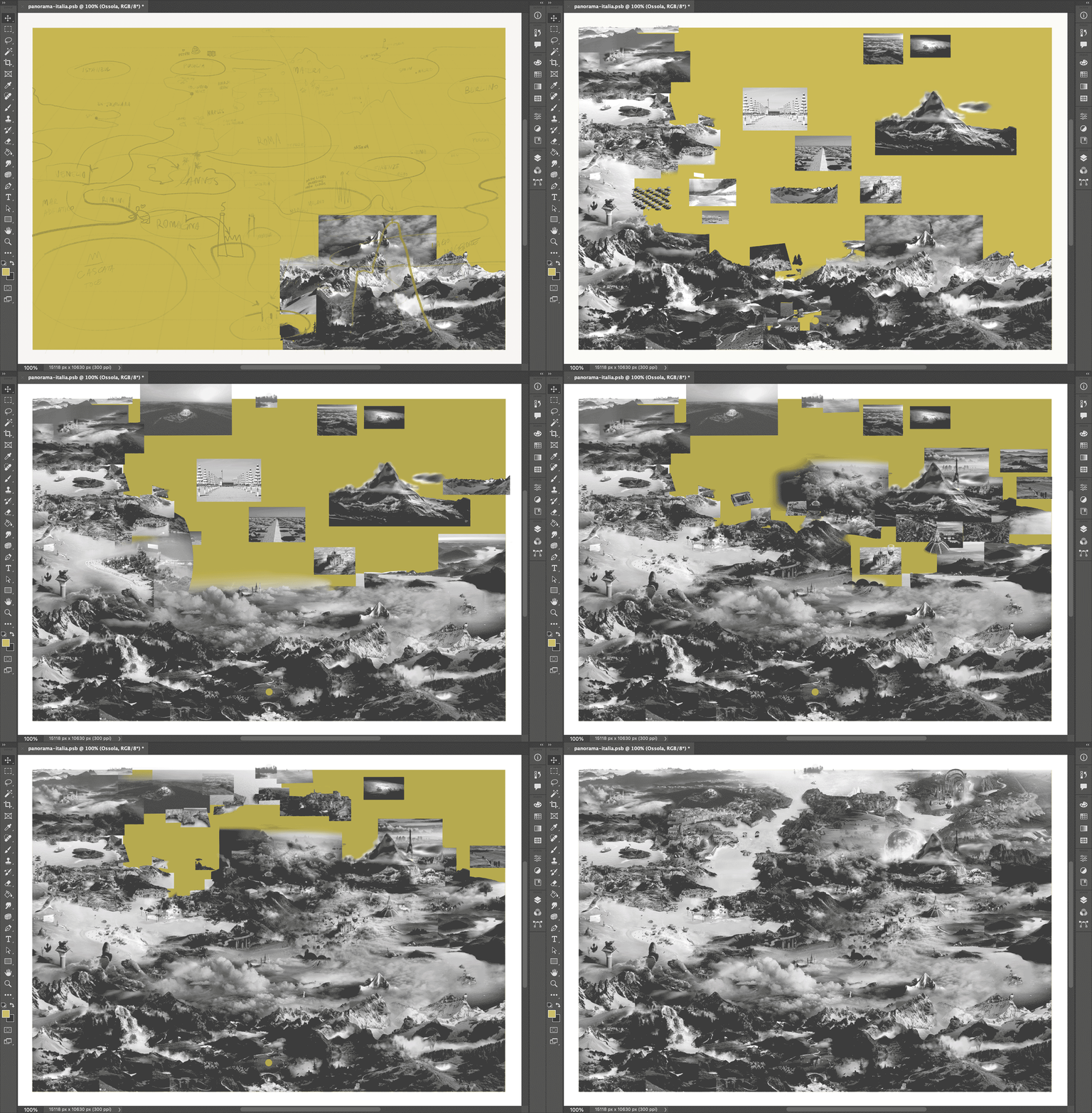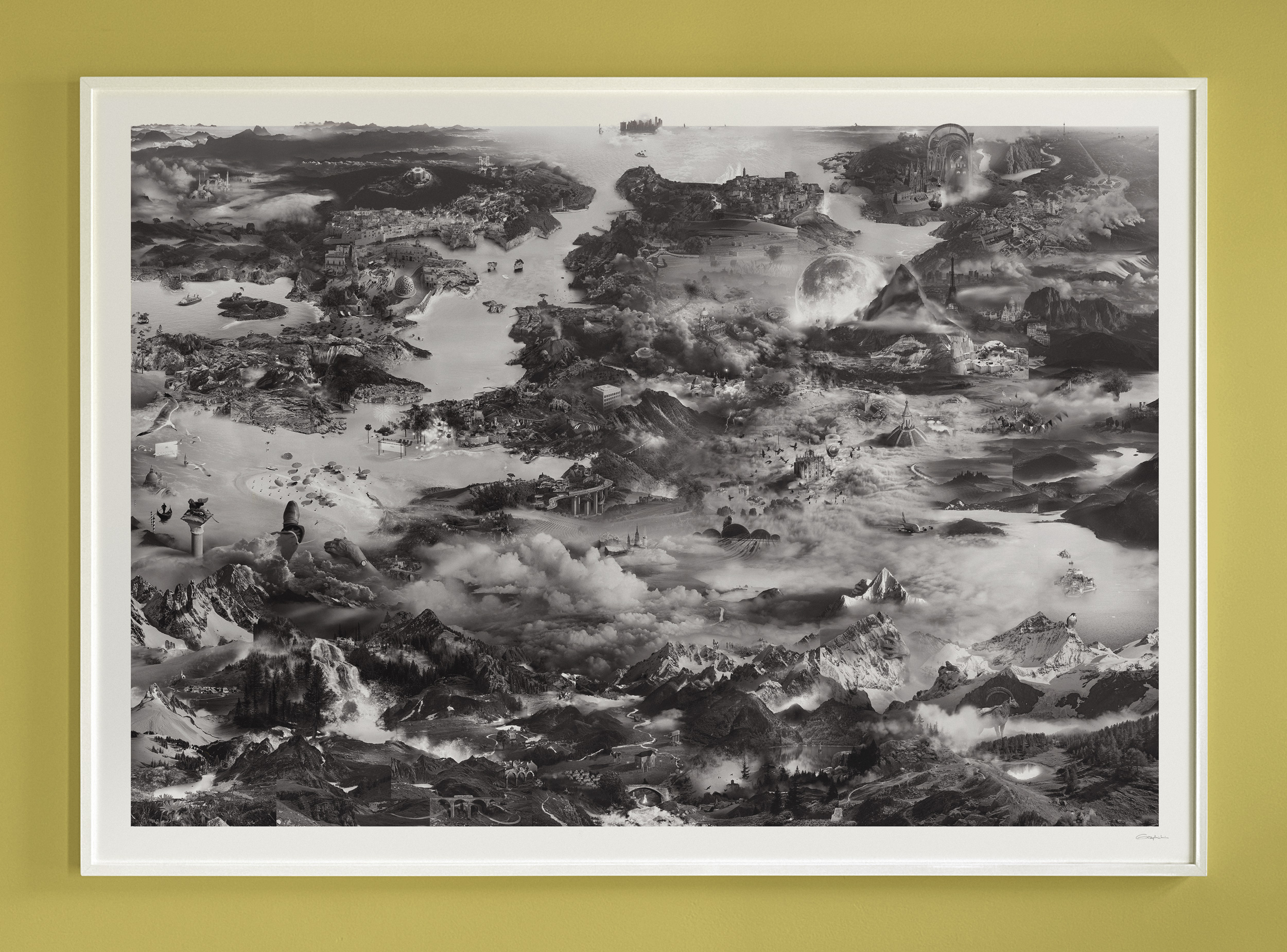
Michele Graffieti. Panorama Zero39. 2024. Archival pigment print on Hahnemühle Photo Rag 308/gsm, 50 × 35″ (127 × 88.9 cm). © 2024 Michele Graffieti, New York
Enquire for prints or commissions.
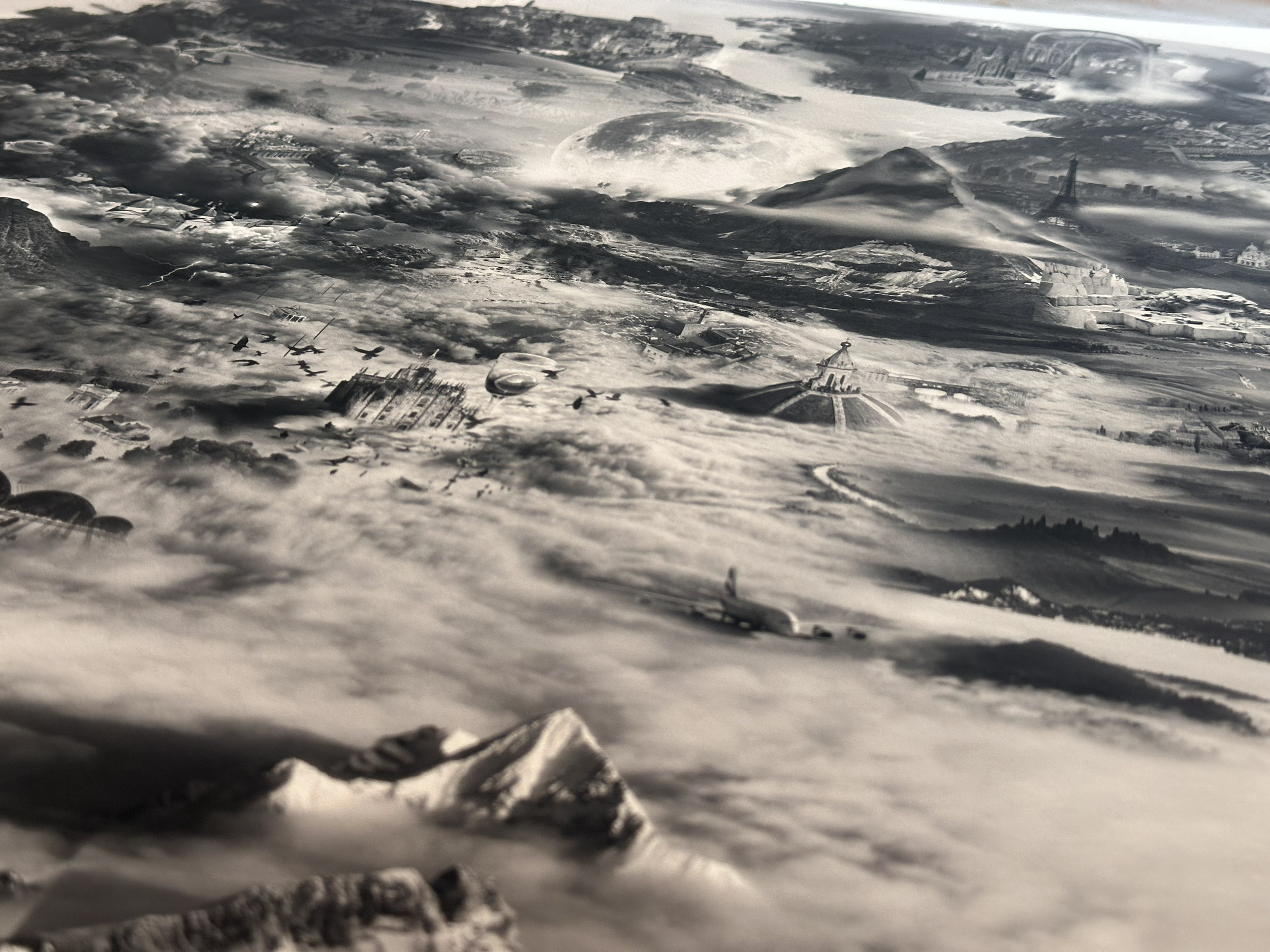
Panorama Zero39 unfolds as a visual reconstruction of memory, composed through an accumulation of personal and found photographic fragments that converge into a layered narrative field. Rather than functioning as a fixed image, the work operates as a meaning-making process: an attempt to visualize phenomena through the conceptual model of the panorama, where events, places, times and traces of lived experience coexist within a single perceptual environment. The panoramic format becomes both structure and metaphor, a space in which the observer’s gaze can wander freely, discovering connections that are never entirely predetermined.
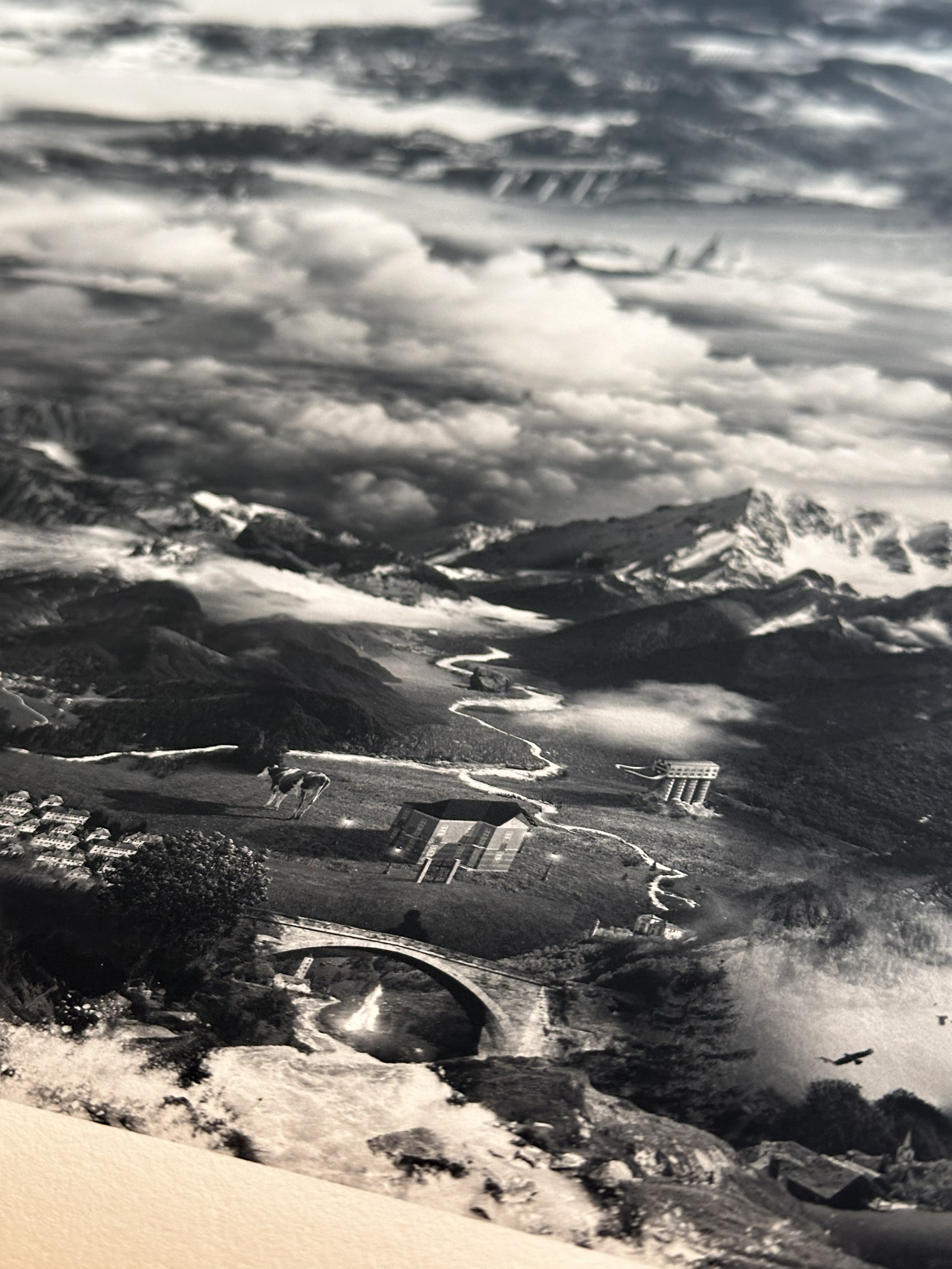
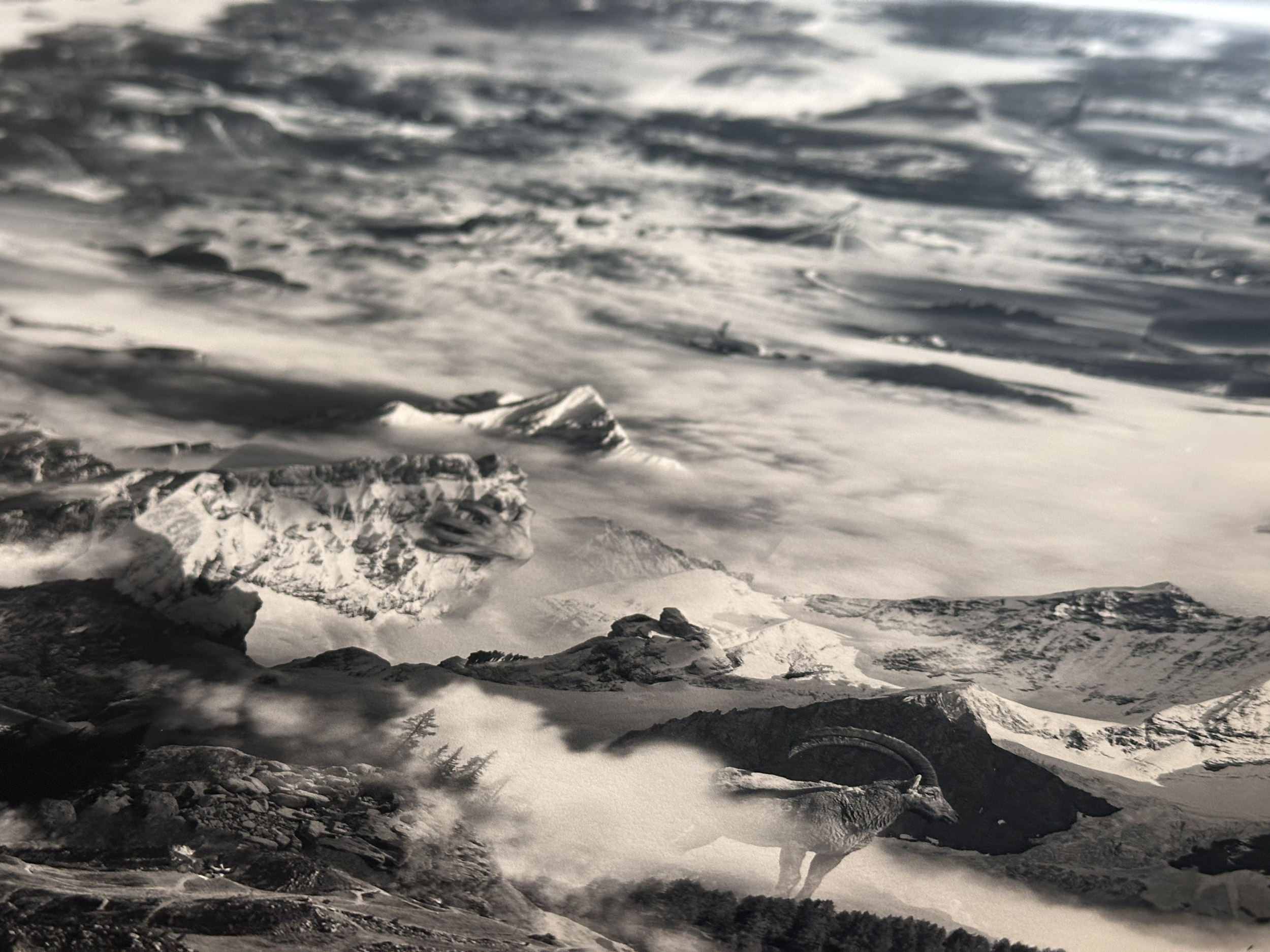
The artwork moves beyond straightforward representation and instead proposes visualization as an act of cognition. Its contents are not confined to the artifact itself, but emerge through the thoughts and associations of the viewer, who becomes an active co-author of the work. In this sense, Panorama Zero39 transforms observation into participation. Like a theatrical production requiring an audience to fully exist, the image achieves meaning only through the interpretive movement of the spectator across its surface.
Balancing formal composition with expressive narrative, the work merges descriptive precision with emotional resonance. Photography is treated not as documentary evidence, but as material for constructing an expanded world of relations: memories overlap with imagined histories, and fragments of reality become part of a broader visual argument about perception, time, and remembrance. The panorama allows this heterogeneous constellation of stories and images to remain open-ended, resisting singular interpretation while inviting continuous discovery.
Panorama Zero39 ultimately reflects on how visualization can shape understanding itself — not by delivering fixed conclusions, but by creating a space in which thought, memory, and inference unfold collectively between artwork and observer.